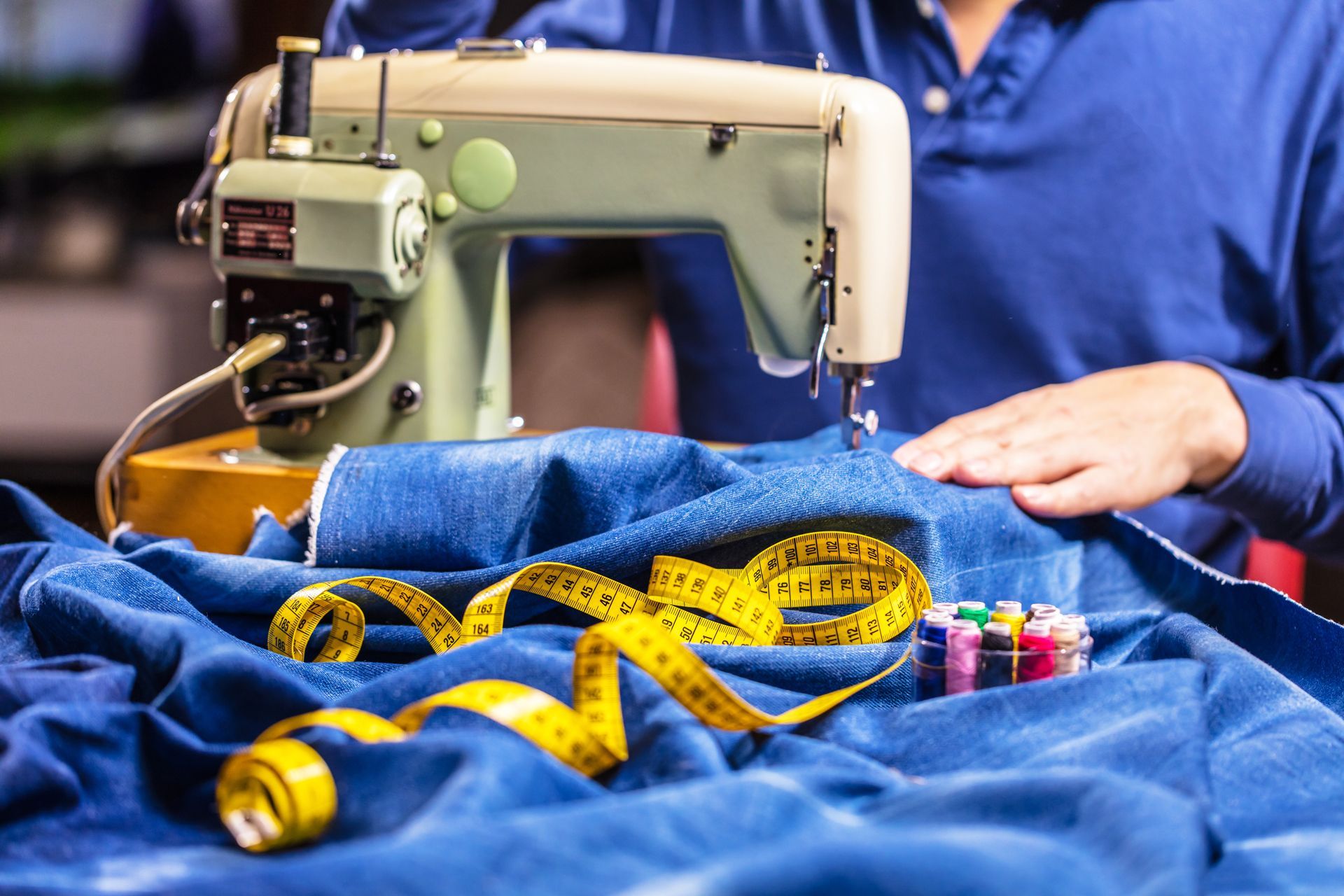
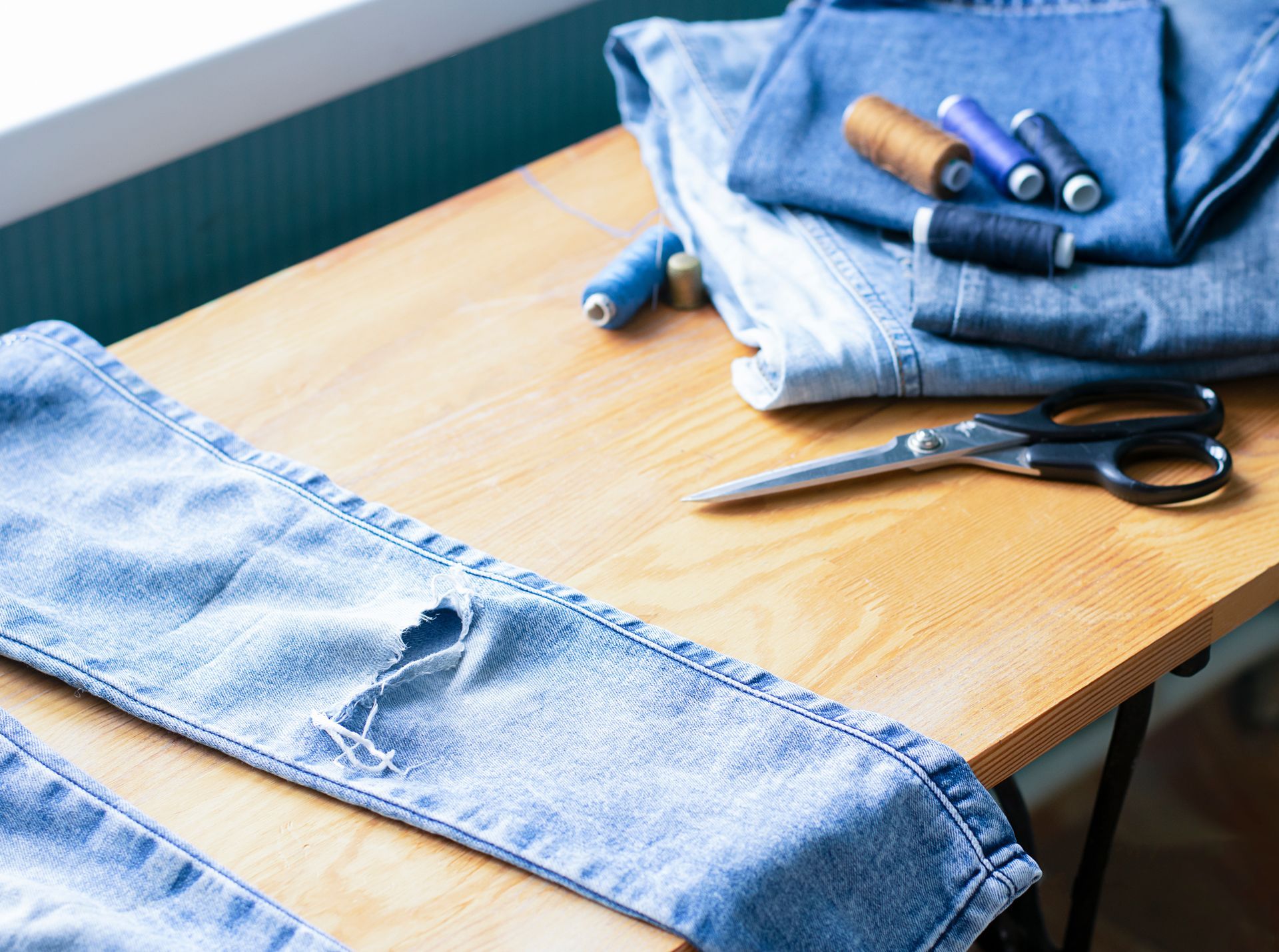
A broken zipper, a split seam, or a small tear can send a perfectly good garment to the back of the closet. Our clothing mending and repair in Las Vegas restores those pieces so they are wearable, durable, and presentable again. At International Custom Tailors, clothing mending and repair is handled with the same attention to detail as our custom work, matching thread, fabric, and stitching so the fix blends into the original construction. Whether it is a well-loved suit, a designer dress, a leather jacket, or a work uniform, clothing mending and repair extends the life of garments that still have plenty of wear left in them.
Drop Off Your Garments for Clothing Mending and Repair in Las Vegas Today
Types of Clothing Mending and Repair We Provide
Clothing mending and repair covers a wide range of damage, from minor wear to structural failures. Each repair is approached based on the garment's fabric, construction, and how visible the finished work needs to be.
Seam Repairs
Seams split under stress at the crotch, underarms, back, and sides. Clothing mending and repair for seams involves reinforcing the stitch line and resewing it to match the original construction so the seam holds up to regular movement.
Zipper Replacement and Repair
Zippers on pants, skirts, dresses, jackets, and coats wear out or break. Depending on the damage, the slider can sometimes be replaced, or the entire zipper can be swapped for a new one matched in length, weight, and color.
Tears, Rips, and Holes
Small tears and holes can be mended with careful hand stitching, patching from inside the garment, or reweaving techniques that minimize visibility. The approach depends on the size of the damage and the type of fabric.
Button and Fastener Replacement
Missing buttons, loose snaps, broken hooks, and worn buttonholes are common clothing mending and repair requests. Replacement buttons are matched as closely as possible, and buttonholes can be reinforced to prevent fraying.
Lining Repairs and Replacement
Jacket, coat, and dress linings tear at the pockets, armholes, and hems over time. Linings can be patched or fully replaced to restore the garment's shape and comfort.
Hem and Cuff Repairs
Fallen hems, frayed trouser cuffs, and worn sleeve edges can be restitched or refinished so the garment looks clean and even again.
How Our Clothing Mending and Repair Process Works
Good clothing mending and repair starts with understanding what caused the damage and how the garment was originally built.
Inspecting the Damage
Your tailor examines the garment to identify the type and extent of the damage, along with any weak areas nearby that may fail soon. This inspection guides the repair method.
Recommending a Repair Method
Some damage can be repaired invisibly, while other damage is better reinforced or patched. Your tailor explains your options, what the finished repair will look like, and how long it should last.
Matching Materials
Thread color, fabric, zipper type, and buttons are matched to the original as closely as possible. For visible areas, matching materials is one of the most important parts of clothing mending and repair.
Completing the Repair
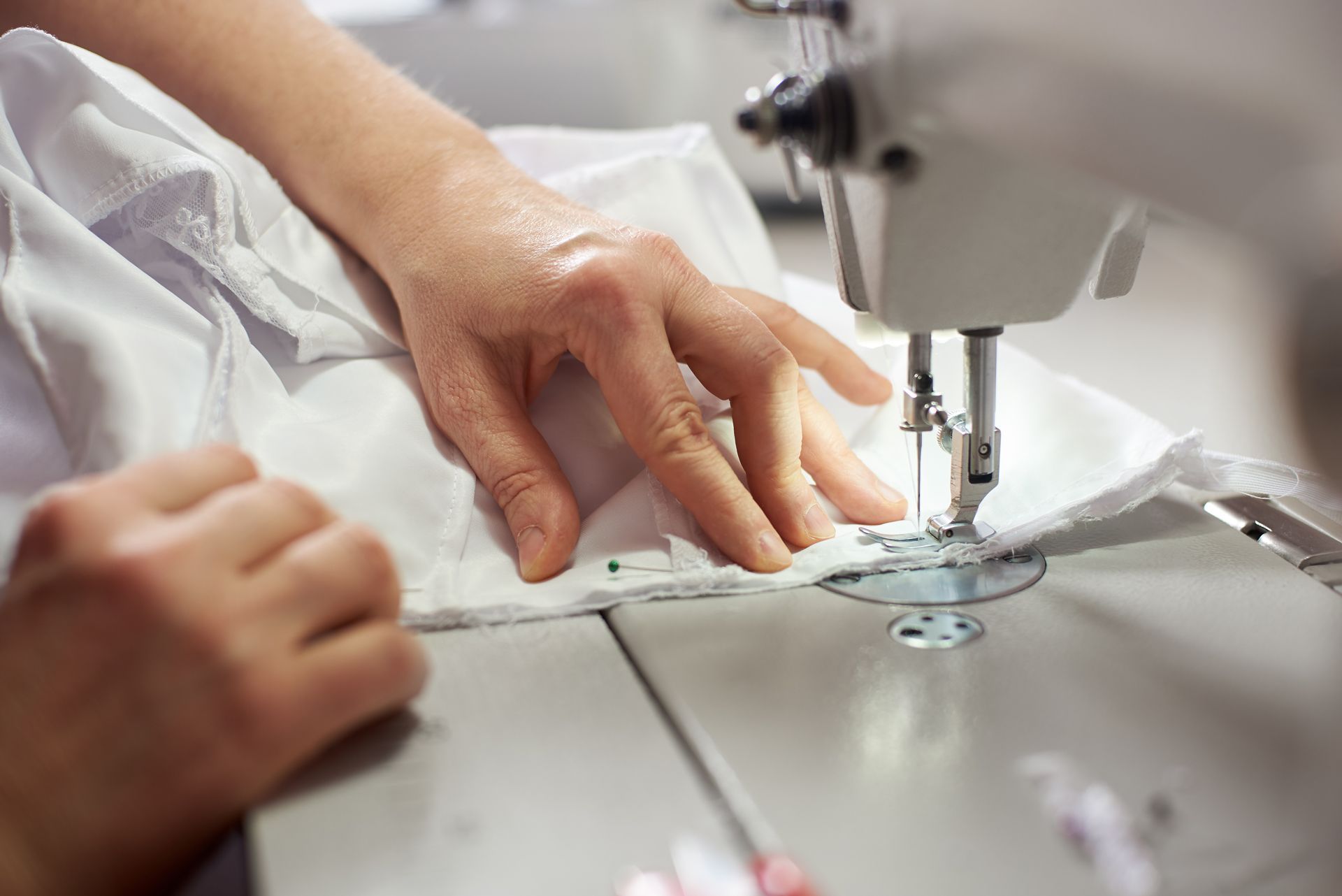
The repair is completed using hand or machine techniques suited to the fabric. Delicate materials such as silk, lace, and fine wool typically receive hand work, while heavier fabrics may be reinforced by machine.
Final Inspection and Pressing
Once the clothing mending and repair is complete, the garment is pressed and inspected to confirm the fix is secure and blends with the surrounding fabric.
Clothing Mending and Repair for Different Fabrics and Garments
Every material responds differently to stitching and stress, so clothing mending and repair techniques vary by fabric.
Suits and Tailored Garments
Wool suits often need repairs to trouser seats, jacket linings, pocket edges, and moth damage. Careful clothing mending and repair keeps structured garments looking sharp without distorting their shape.
Denim and Workwear
Jeans and work pants wear through at the knees, inner thighs, and pockets. Reinforcement stitching and interior patches help restore strength in high-friction areas.
Delicate and Formal Fabrics
Silk, satin, chiffon, lace, and beaded garments require slow, precise hand work. Clothing mending and repair for formalwear focuses on keeping repairs as invisible as possible.
Leather and Heavy Outerwear
Leather jackets, coats, and heavy outerwear often need zipper replacement, lining repair, or seam reinforcement. These materials require specialized needles and stitching methods.
Knitwear and Sweaters
Snags, small holes, and unraveling edges in sweaters can often be mended by carefully working the yarn back into place or reinforcing the damaged area.
Clothing Mending and Repair for Las Vegas Lifestyles
Las Vegas residents and professionals put their clothing through demanding conditions, and clothing mending and repair helps keep wardrobes in working order.
Uniforms and Hospitality Attire
Casino, restaurant, hotel, and security staff wear uniforms for long shifts. Clothing mending and repair for uniforms addresses split seams, broken zippers, and worn buttons so staff stay presentable.
Performance and Costume Wear
Entertainers and performers need costumes that hold up through repeated shows. Repairs to seams, closures, and embellishments keep performance wear ready for the stage.
Heirloom and Sentimental Garments
Vintage clothing, family heirlooms, and sentimental pieces deserve careful handling. Clothing mending and repair for these items focuses on preserving the original fabric and character.
Travel Emergencies
Visitors dealing with a broken zipper or torn seam before an event can have repairs discussed and scheduled around their plans.
Repair Timelines and Garment Care Tips
Turnaround for clothing mending and repair depends on the type of damage and the materials needed. Button replacements and small seam fixes are often completed quickly, while zipper replacement, lining work, and delicate formalwear repairs take more time.
Address Damage Early
Small tears and loose seams grow larger with every wear and wash. Bringing garments in for clothing mending and repair early often means a simpler, less visible fix.
Store Garments Properly
Moths, sunlight, and humidity can weaken fabric. Store wool in breathable garment bags, keep delicate items out of direct light, and avoid overstuffed closets that strain seams and fabric.
Frequently Asked Questions About Clothing Mending and Repair in Las Vegas
What is clothing mending and repair?
Clothing mending and repair is the process of fixing damage to garments, including torn seams, broken zippers, holes, missing buttons, and worn linings, so the clothing can be worn again.
How long does clothing mending and repair take?
Simple repairs such as buttons or small seam fixes can often be completed quickly. Zipper replacements, lining work, and repairs to delicate fabrics usually take longer depending on materials and complexity.
Can a hole in clothing be repaired invisibly?
Small holes in many fabrics can be mended with minimal visibility using hand stitching or reweaving techniques. Results depend on the size of the hole, the fabric type, and the pattern.
Is it worth repairing a broken zipper?
In most cases, yes. Replacing a zipper costs far less than replacing a quality garment, and it restores full function to pants, dresses, jackets, and coats.
Can moth holes in wool be fixed?
Moth holes in wool suits and sweaters can often be repaired. The approach depends on the number and size of the holes and whether the fabric is woven or knit.
Can you repair a torn jacket lining?
Yes. Torn linings can be patched in small areas or fully replaced if the damage is widespread or the lining has deteriorated.
Can leather clothing be repaired?
Leather jackets and garments can have zippers replaced, seams restitched, and linings repaired using tools and techniques designed for leather.
What should I do before bringing in clothing for repair?
Avoid washing or pulling at the damaged area, as this can enlarge it. If you have spare buttons or fabric that came with the garment, bring them along.
Can vintage or heirloom garments be repaired?
Vintage and heirloom clothing can often be repaired with careful hand work that preserves the original fabric. Fragile materials may require reinforcement from inside the garment.
Can uniforms and work clothing be repaired?
Uniforms and work clothing can have seams reinforced, zippers replaced, buttons reattached, and worn areas patched to extend their usable life.
Can sequins and beading be repaired?
Loose or missing sequins and beads can often be reattached or replaced with close matches, restoring the look of formal and performance garments.
Is repairing clothing better than replacing it?
For quality garments, clothing mending and repair is often the more practical and sustainable choice, preserving pieces that fit well and still have years of wear left.