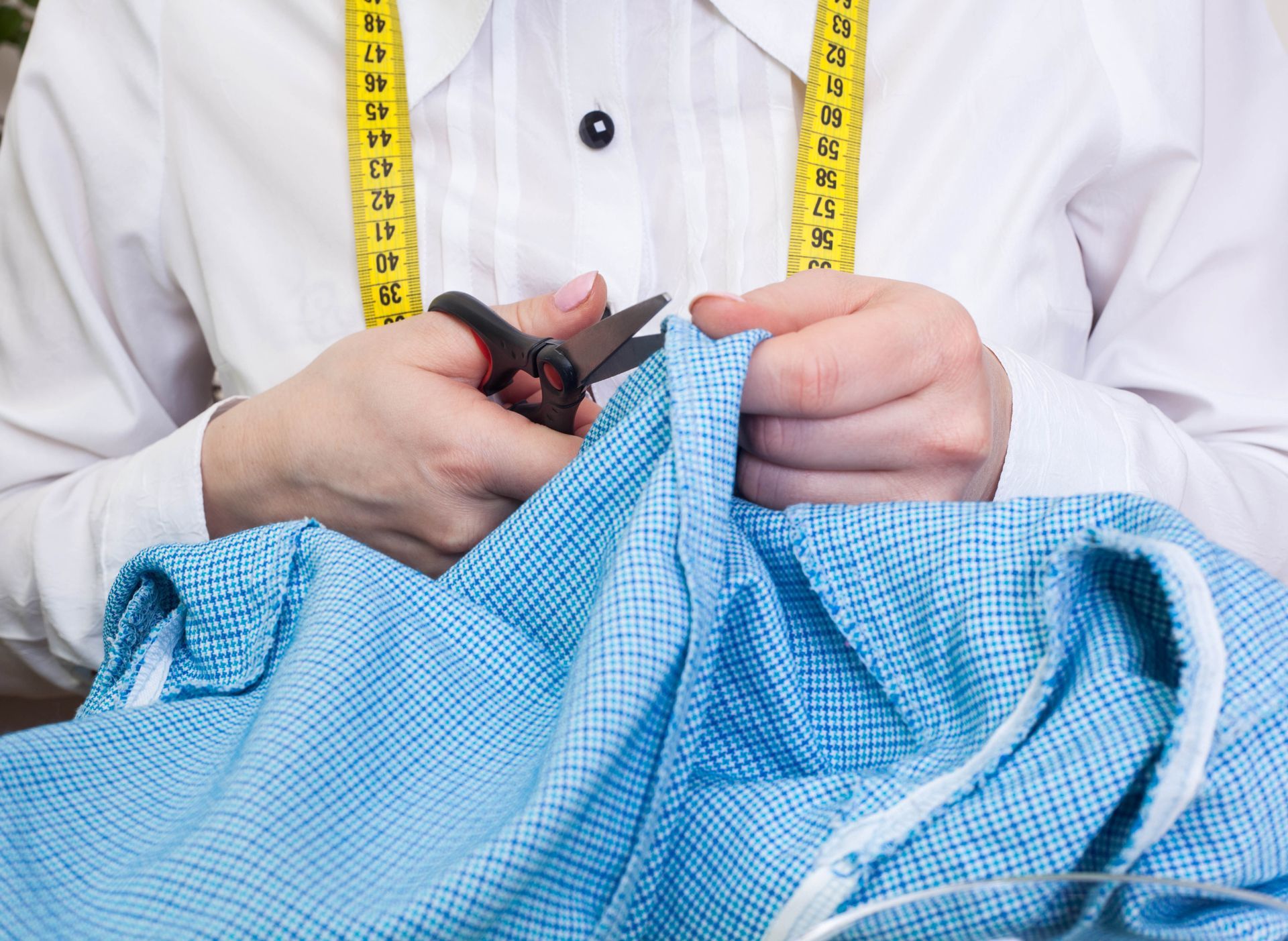
Most clothing is close to fitting but not quite right. Sleeves run long, waists gap, hems drag, and shoulders sit a little too wide. Our clothing alterations in Las Vegas close that gap, turning garments you already own into pieces that fit your body precisely. At International Custom Tailors, clothing alterations are handled by experienced tailors who understand how seams, structure, and fabric behave, so each adjustment looks clean, balanced, and natural. From a quick hem to a complete jacket refit, clothing alterations let you keep the clothes you love while finally wearing them the way they were meant to look.
Bring Your Garments In for Clothing Alterations in Las Vegas Today
Types of Clothing Alterations We Handle
Clothing alterations range from simple length changes to detailed structural work. Each garment type has its own construction, and each requires a different approach to get the fit right without compromising the original design.
Pants and Trouser Alterations
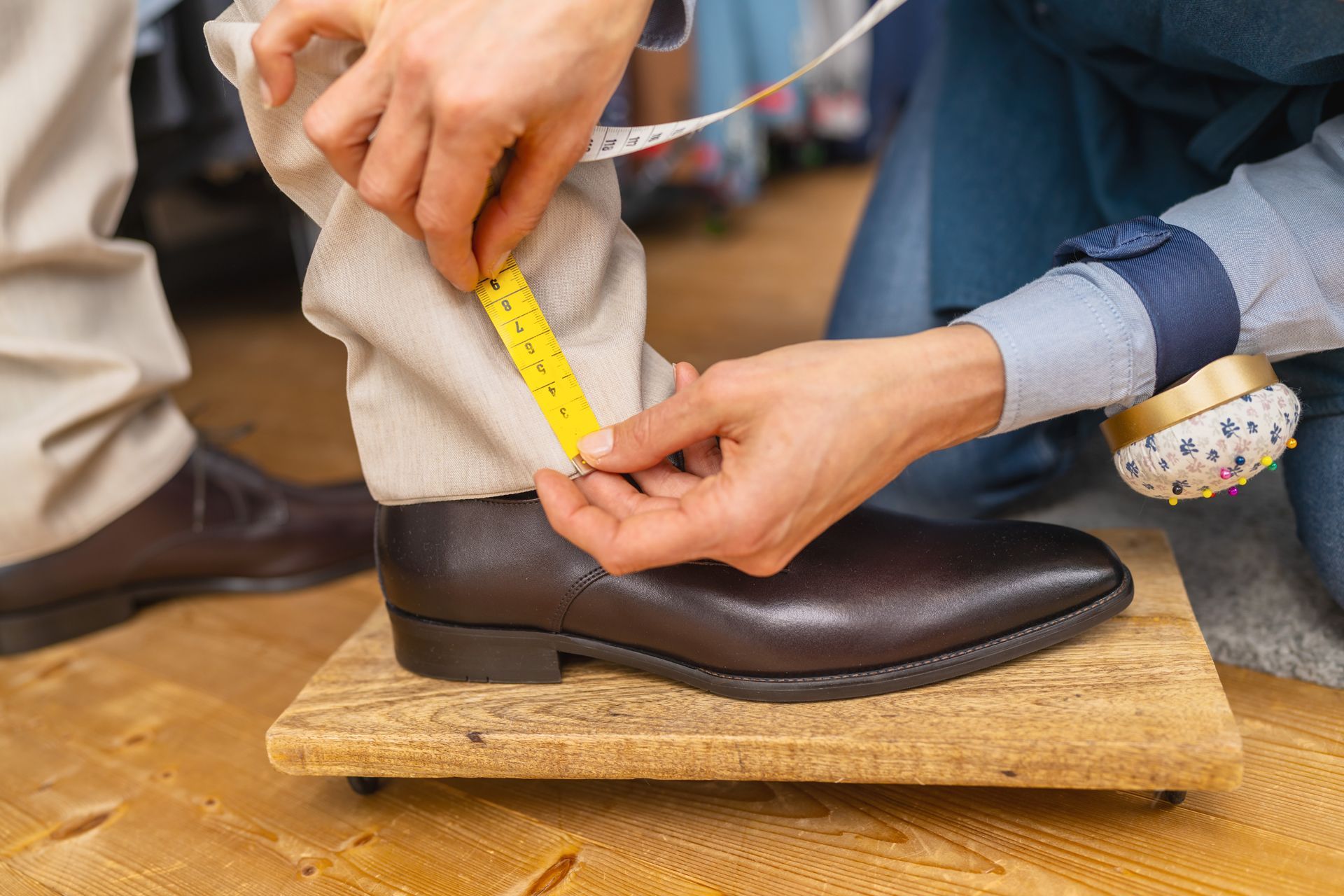
Trouser clothing alterations include hemming, tapering the leg, adjusting the waist, and correcting the seat. The break at the shoe can be set to your preference, whether that is a clean no-break look or a traditional fuller break. Cuffs can be added or removed as well.
Suit Jacket and Blazer Alterations
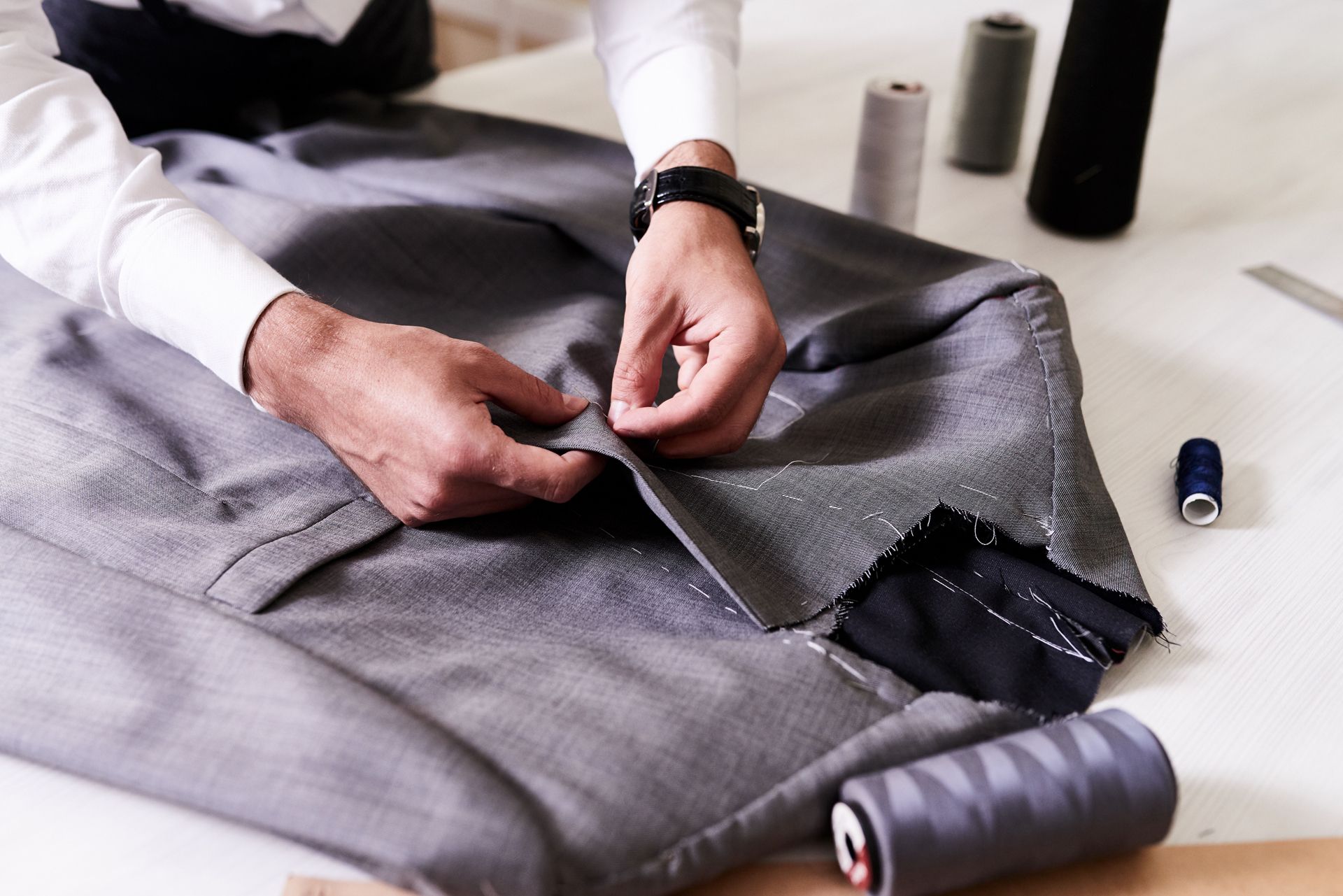
Jacket clothing alterations often involve shortening or lengthening sleeves, taking in the sides for a more defined waist, and adjusting the back seam. Sleeve work can be completed while preserving functional buttonholes, and collar gaps can often be corrected so the jacket sits close to the neck.
Shirt Alterations
Dress shirts are commonly tapered through the torso, shortened in the sleeves, or adjusted at the cuffs. These clothing alterations remove excess fabric that bunches when a shirt is tucked in.
Dress and Skirt Alterations
Dresses and skirts can be hemmed, taken in at the waist or bust, resized, or adjusted at the straps. Lined and multi-layered garments require careful handling so each layer falls evenly after the change.
Formalwear and Tuxedo Alterations
Tuxedos, gowns, and cocktail attire often need precise clothing alterations before a single important event. Satin lapels, beading, and delicate fabrics are handled with extra care to protect their finish.
Casual Wear, Denim, and Outerwear
Jeans, coats, jackets, and everyday pieces also benefit from clothing alterations. Denim hems can be finished to preserve the original look, while coats can be adjusted in the sleeves and body for better layering.
How Our Clothing Alterations Process Works
A consistent process ensures clothing alterations are accurate the first time and that the finished garment matches what you expected.
Try-On and Fit Assessment
Your tailor starts by having you wear the garment so fit issues can be seen as they actually appear on your body. Standing posture, arm movement, and how the fabric falls all inform the plan.
Pinning and Marking
The tailor pins and chalks the garment to show exactly where changes will be made. You can see the proposed fit before any cutting or stitching begins, which is one of the most important steps in quality clothing alterations.
Discussing Options
Some fit issues have more than one solution. Your tailor explains what can be adjusted, what limits the garment's construction may impose, and how each option will change the look.
Tailoring the Garment
Seams are opened, adjusted, and resewn using techniques suited to the fabric and construction. Stitch length, thread color, and seam finishing are matched to the original garment so the work blends in.
Final Fitting and Pressing
Once clothing alterations are complete, the garment is pressed, and a final try-on confirms everything sits correctly before you take it home.
What Clothing Alterations Can and Cannot Change
Understanding the limits of clothing alterations helps you decide which garments are worth adjusting and which might be better replaced or custom made.
Adjustments That Work Well
Hems, sleeve lengths, waist size, trouser tapering, side seams, and shirt torsos are generally straightforward clothing alterations. Most garments have enough construction flexibility to accommodate these changes with excellent results.
Adjustments That Require More Skill
Shortening a jacket's overall length, resizing a lined dress, or reworking a gown with beading or lace takes more time and expertise. These clothing alterations are possible but require careful planning to maintain balance and proportion.
Adjustments With Natural Limits
Shoulder width on a structured jacket is one of the hardest areas to change because it affects the collar, sleeves, and lining together. Letting a garment out depends on how much seam allowance the manufacturer left inside. Your tailor will tell you honestly when clothing alterations will not deliver the result you want.
Clothing Alterations for Las Vegas Events and Everyday Life
Las Vegas brings a steady stream of weddings, conventions, galas, and performances, and clothing alterations play a role in nearly all of them.
Wedding Attire
Wedding gowns, bridesmaid dresses, groom suits, and groomsmen tuxedos often require clothing alterations to fit each person in the wedding party properly. Starting early leaves time for a follow-up fitting before the big day.
Business and Convention Clothing
Professionals in town for trade shows or client meetings rely on clothing alterations to make suits and shirts look sharp through long days on their feet.
Rental and Uniform Adjustments
Uniforms for hospitality, casino, and entertainment roles often come in standard sizes. Clothing alterations help these garments fit comfortably through long shifts while maintaining a professional appearance.
Weight Changes and Wardrobe Updates
After weight loss or gain, clothing alterations can bring an existing wardrobe back into proportion, saving the cost of replacing favorite pieces.
Timelines and Tips for Clothing Alterations
Turnaround for clothing alterations depends on the garment and the complexity of the work. Simple hems and sleeve changes can often be finished quickly, while wedding gowns, formalwear, and full jacket refits need more time and sometimes a second fitting.
Bring the Right Shoes and Undergarments
Hem length and dress fit depend on what you wear underneath and on your feet. Bringing those items to your fitting ensures your clothing alterations are measured accurately.
Plan Around Your Event Date
For weddings and formal events, schedule clothing alterations several weeks ahead. This leaves room for adjustments without last-minute stress.
Frequently Asked Questions About Clothing Alterations in Las Vegas
What are clothing alterations?
Clothing alterations are adjustments made to an existing garment to improve its fit or appearance. Common examples include hemming pants, shortening sleeves, taking in waists, tapering shirts, and resizing dresses.
How long do clothing alterations take?
Simple clothing alterations such as hems or sleeve changes can often be completed in a short time. Complex work on formalwear, wedding gowns, or structured jackets usually takes longer and may require multiple fittings.
How much can a garment be taken in or let out?
Most garments can be taken in significantly. Letting out depends on how much seam allowance is inside the garment, which varies by manufacturer. Your tailor will check the seams before recommending changes.
Can a suit jacket's shoulders be altered?
Shoulder alterations are possible but complex because they affect the sleeves, collar, and lining. In many cases, choosing a jacket that fits well in the shoulders and adjusting other areas gives the best result.
Do I need to wear the garment during my appointment?
Yes. Wearing the garment allows the tailor to see how it fits on your body and pin adjustments accurately, which is essential for precise clothing alterations.
Can wedding dresses be altered?
Wedding dresses can be hemmed, taken in, bustled, and adjusted at the straps or bodice. Starting two to three months before the wedding allows time for fittings.
Are clothing alterations worth it for inexpensive clothing?
Clothing alterations can make even affordable garments look far more polished. Tapering a shirt or hemming pants often makes an inexpensive piece look custom fitted.
Can jeans be hemmed without losing the original look?
Yes. Denim can be hemmed using a technique that preserves the original worn hem, keeping the jeans' factory appearance at the new length.
What should I bring to a clothing alterations appointment?
Bring the garments, the shoes you plan to wear with them, and any undergarments that affect fit. For formal events, bring accessories you plan to wear as well.
Can clothing alterations fix a gaping collar on a jacket?
In many cases, yes. A tailor can adjust the collar and upper back so the jacket sits closer to the neck, though results depend on the jacket's construction.
Can uniforms and work clothing be altered?
Uniforms, chef coats, security attire, and hospitality garments can all be hemmed, taken in, or adjusted for better comfort and appearance.
Is it better to alter clothing or have it custom made?
If a garment fits well in the shoulders and overall shape, clothing alterations are usually the most practical choice. If major structural issues exist, a custom garment may provide a better long-term result.